
The Free Voice Training
A natural and profound approach to vocal development.
The Free Voice Training is a vocal training approach developed by Soledad Mársico over more than twenty years of teaching and research, drawing on the principles of the Old Italian School of Singing.
At its core is the muscular training of the vocal mechanism. Through specific exercises, the aim is to improve its mechanical function, developing the muscle tone, elasticity and coordination needed for healthy, free and natural phonation.
The work focuses on the muscles involved in vocal fold function, helping them respond with greater flexibility and efficiency, without relying on artificial vocal placement.
Rather than aiming for a particular sound, timbre or singing style, this approach focuses on developing the instrument itself and its ability to meet different vocal demands while maintaining its health over time.
The goal is not to achieve a predetermined aesthetic result, but to develop the freedom and technical flexibility to explore different sounds, styles and ways of using the voice.

What is The Free Voice Training?
About The Training
The Free Voice Training draws on the tradition of the Old Italian School of Singing, which flourished during the era of the castrati and the development of Bel Canto.
At that time, vocal knowledge was passed down mainly through direct teaching and oral tradition. Learning was grounded in careful observation of the voice, the teacher's listening skills and the singer's own physical experience.
Bel Canto demanded an exceptional level of vocal freedom and control: pure vowels, agility, legato, coloratura and an even, consistent tone throughout the vocal range. Meeting these demands required highly refined coordination and efficient use of the vocal mechanism. In this tradition, technical mastery was the foundation of artistic expression.
Its underlying principles included balanced muscle tone, precise coordination of the muscles involved in phonation, and the ability to move between vocal registers without unnecessary tension or loss of vocal quality.
Today, this legacy is revisited and further developed through a contemporary understanding of vocal function and health. The focus remains on allowing the voice to work freely and efficiently over time, regardless of musical style, genre or professional demands.
Origins & Influences
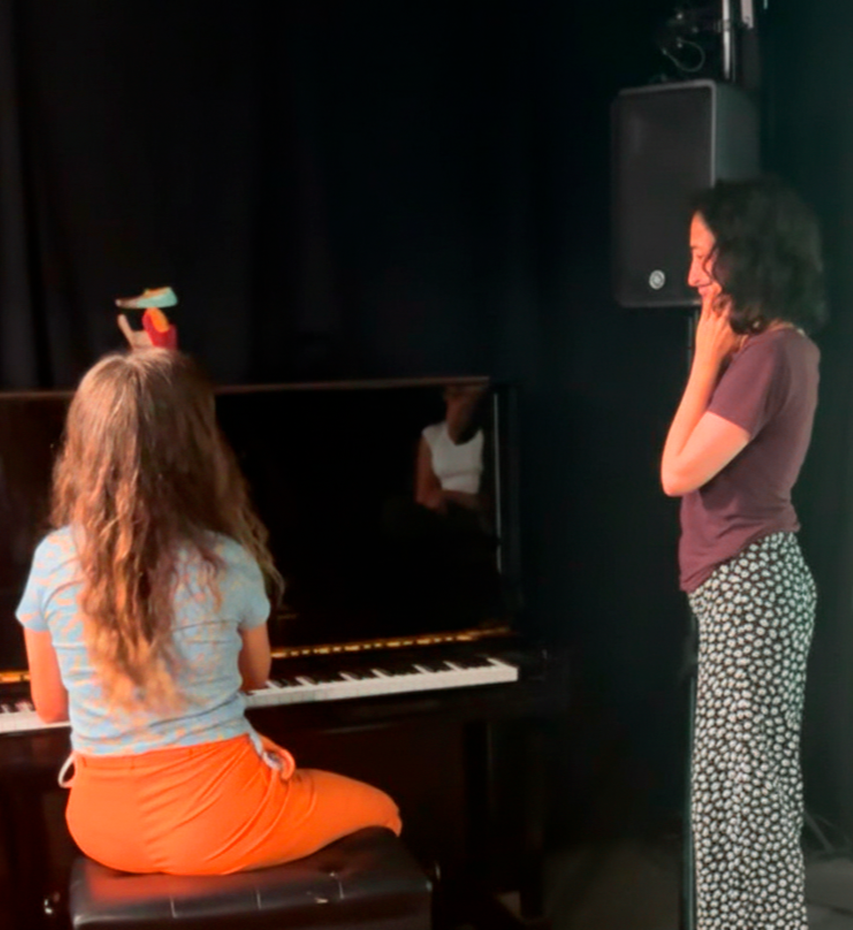
The Free Voice Training follows a personalised, progressive approach that respects the individual nature of every voice.
Rather than looking for quick results or applying standardised solutions, we focus on developing and improving vocal function through a consistent, carefully guided process.
Every voice has its own needs and possibilities. That's why individual attention, attentive listening and regular practice are at the heart of the work.
Our Approach
How We Work
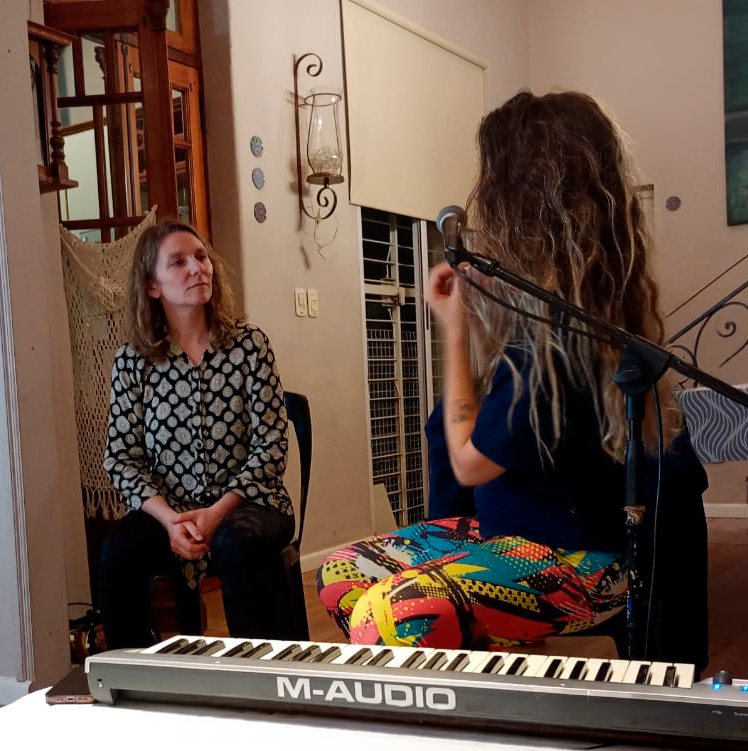
Everything begins with a trained and attentive ear.
We listen not only to how the vocal mechanism is functioning, but also to each person's interests, goals and needs. This broader perspective helps us understand what each voice requires in terms of vocal health, efficiency, technical development and artistic expression.
When needed, we recommend specific medical examinations and work closely with trusted laryngologists. This collaboration allows us to approach vocal health with care and responsibility, making use of current diagnostic imaging and the latest technologies available for assessing the voice.
Based on this initial assessment, we establish a functional evaluation that helps determine:
How often lessons should take place
The intensity and frequency of the training
The most appropriate approach for each voice
For healthy voices, we recommend a minimum of two training sessions per week.
This isn't an arbitrary requirement. It follows the working principles of the Old Italian School of Singing, which inform the Free Voice Training. Traditionally, singers with healthy voices trained in two half-hour sessions per week, with more frequent sessions for those experiencing vocal difficulties or facing particularly demanding professional schedules.
We continue to follow this model not simply because of its historical roots, but because it has proven effective over time. Keeping what works and produces lasting results is an essential part of our approach.
For this reason, the Free Voice Training is not designed around once-a-week lessons or fortnightly sessions. If that's the schedule you're looking for, this may not be the right training approach for you.
Regular practice and consistency are essential to achieving lasting changes in vocal function.
Individual Training, Every Step of the Way
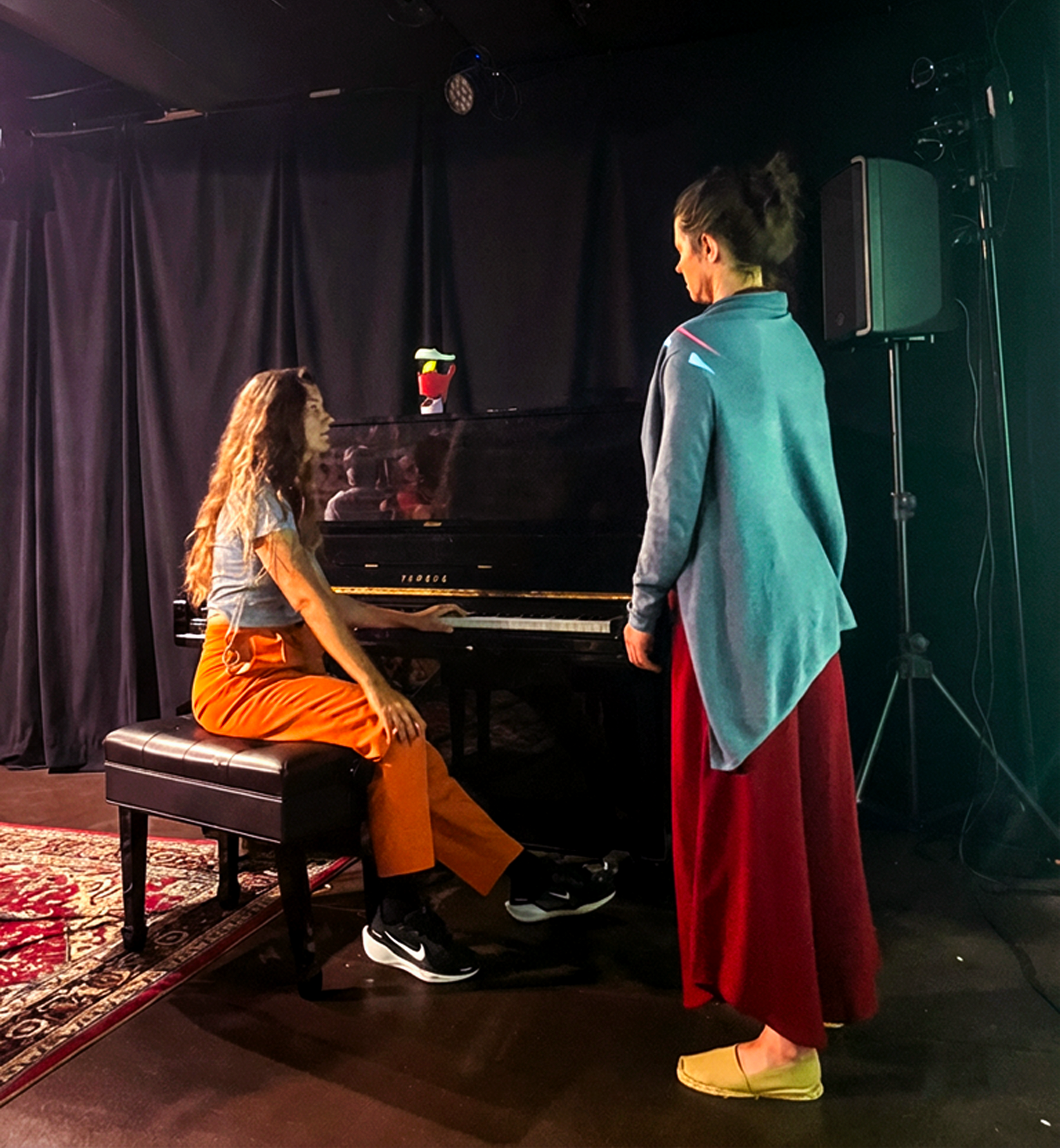
We see the voice as a living instrument that is constantly evolving. That's why our work doesn't rely on fixed formulas or one-size-fits-all methods. Each singer follows an individual path, shaped through careful listening, observation and ongoing guidance.
Every lesson can open up new possibilities for exploration. The process develops through an ongoing dialogue between the teacher's trained ear and the singer's own physical awareness and experience.
This way of working draws on a long-standing tradition of vocal teaching. Long before modern voice science existed, during the golden age of Bel Canto, knowledge was passed down through direct experience, careful observation, laryngeal empathy and trained intuition. This tradition remains one of the foundations of the Free Voice Training.
All lessons are individual, and there are no fixed training periods or predetermined deadlines.
One of the questions we hear most often is: "How long do I need to train?" The answer is simple: as long as you wish. There is always something more to develop, refine and explore.
Other common questions are: "How long will it take me to connect my registers?" or "When will I be able to reach a particular note?"
Every voice develops in its own way, and no process can be accurately predicted in advance. Vocal training takes time, commitment and consistency. The body has its own intelligence and its own pace, and these can only be understood as the work unfolds.
The Free Voice Training is not about following rigid goals or fixed timelines. It's about allowing the voice to develop step by step, building coordination, freedom and creative possibilities along the way.
The Science Behind the Work
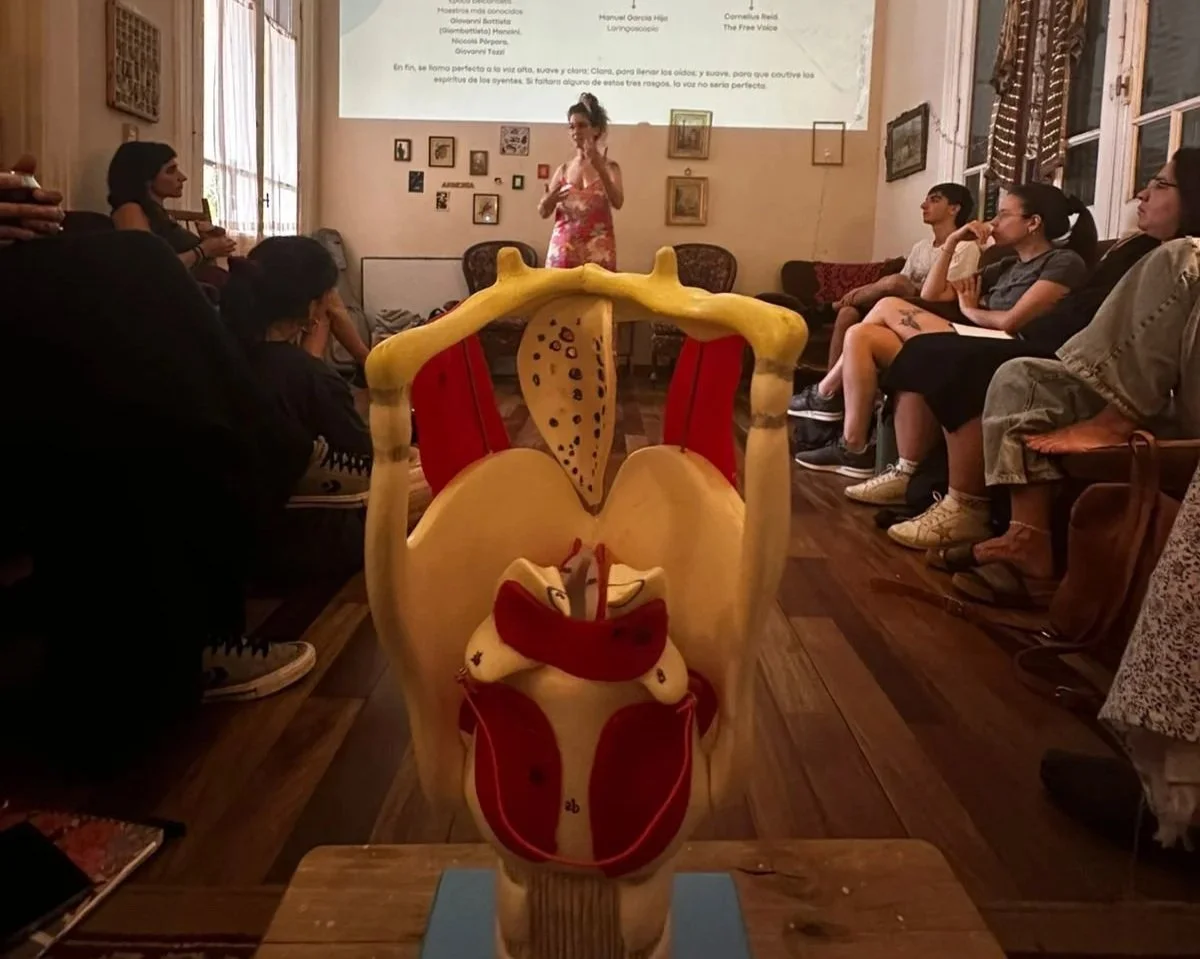
Science is there to support and inform the practical work.
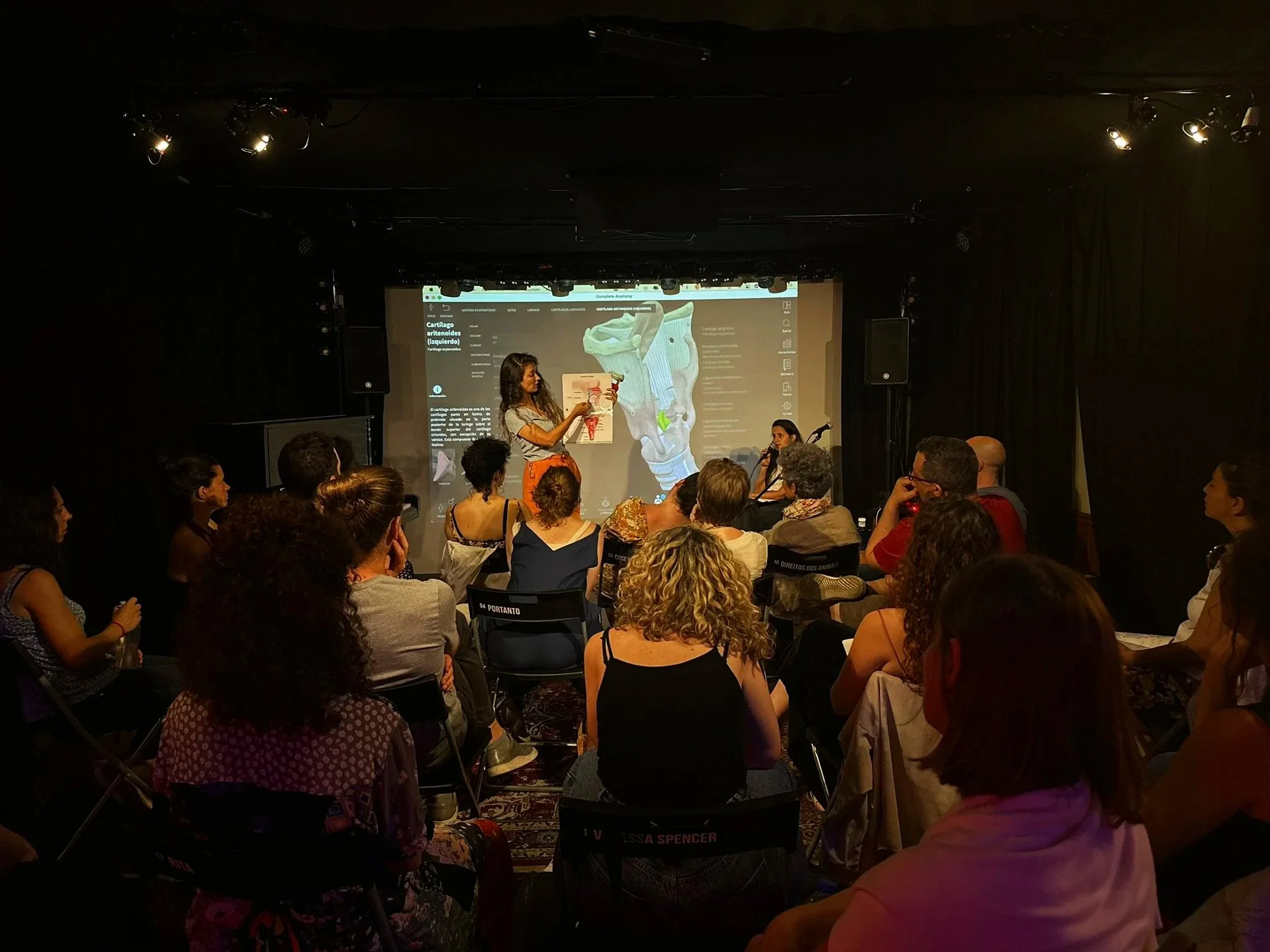
In the early stages of training, and whenever needed, we introduce theoretical concepts and recommended reading to help singers understand what is happening in their own voices.
Science is not an end in itself. It provides the knowledge and understanding that support the physical and perceptual work in each lesson, helping singers approach their training with greater awareness, clarity and confidence.
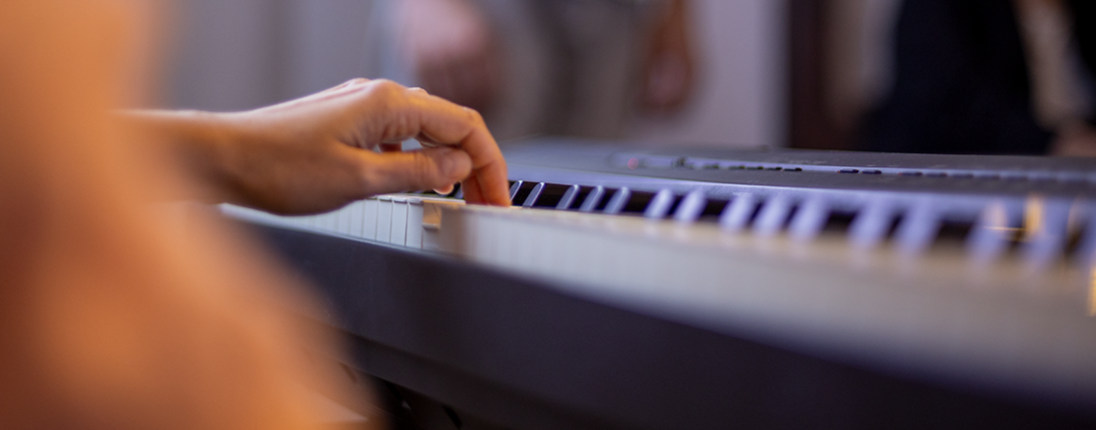
Una técnica.
Múltiples voces.
Múltiples aplicaciones.
La Técnica de la Voz Libre está dirigida a quienes desean desarrollar un uso consciente de su voz —en su vida cotidiana, artística o profesional— y construir una relación más saludable, eficiente y libre con su instrumento vocal.
Está pensada tanto para quienes hacen de la voz su herramienta de trabajo como para quienes se acercan desde una búsqueda personal, expresiva o de autoconocimiento.
A lo largo de su recorrido, la técnica ha sido practicada en procesos de:
cantantes de música popular
cantantes líricos
docentes de canto
actores y actrices
locutores y doblajistas
docentes, oradores y otros profesionales de la voz
personas sin formación previa que desean mejorar su voz
También es un espacio adecuado para quienes presentan disfunciones vocales, afecciones específicas o simplemente sienten que su voz no responde de manera libre, eficiente o estable, siempre en articulación responsable con el campo médico cuando es necesario.
La Técnica de la Voz Libre no pertenece a un género musical ni a una estética particular.
Trabaja sobre la función, no sobre el estilo.
Por eso, su idea fuerza es simple y profunda: Una técnica. Múltiples voces. Múltiples aplicaciones.
Está dirigida a quienes estén dispuestos a comprometerse con un proceso real de entrenamiento y a desarrollar cambios audibles, concretos y consistentes en la mecánica, la eficiencia y la resistencia de su voz.

For Whom?
Testimonials
Flor Bobadilla Oliva
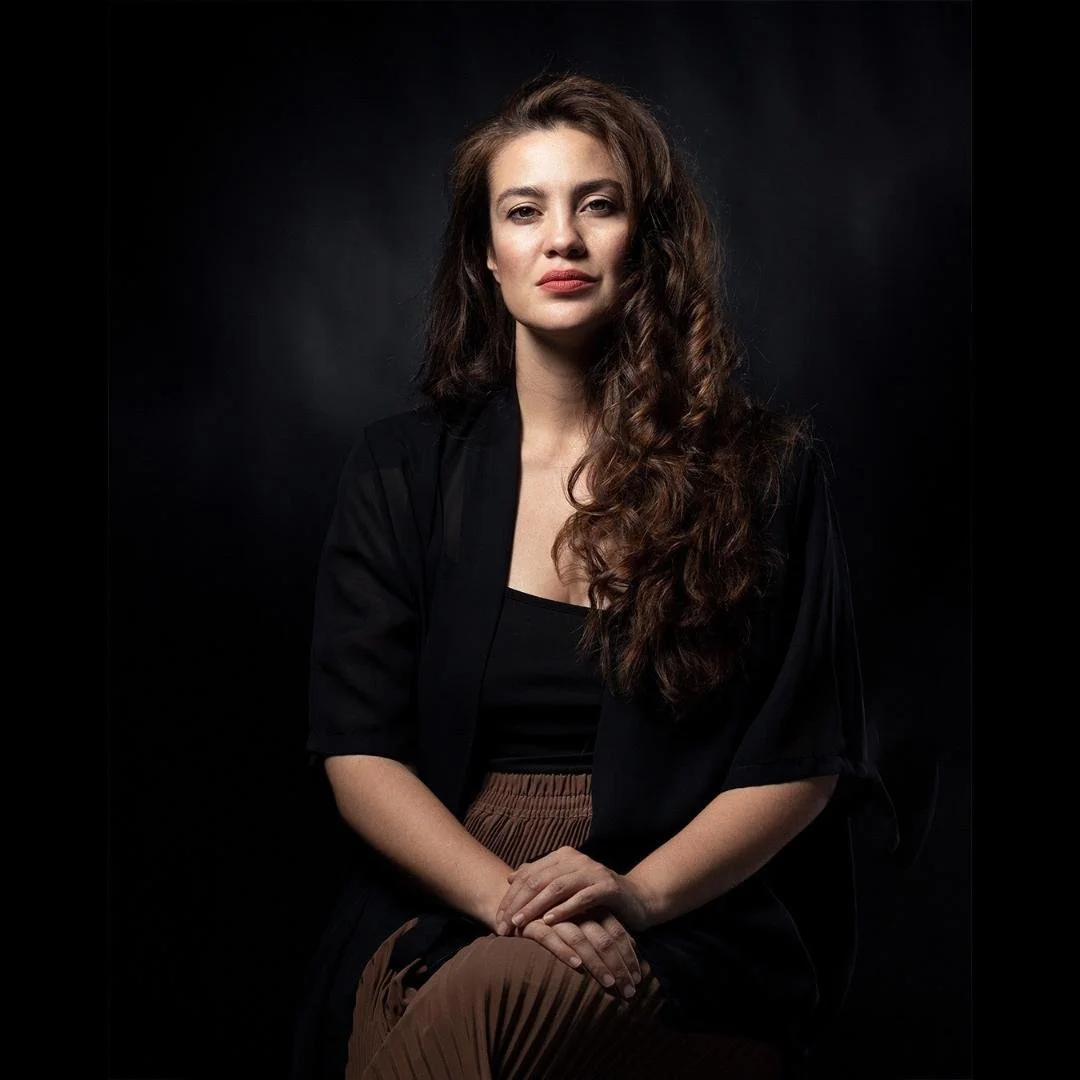
“..it was possible to correct vocal habits that prevented me from using my instrument freely.”
Argentine singer of world music and music from Argentina’s Litoral region
Flor Bobadilla Oliva
Argentine singer of world music and music from Argentina’s Litoral region
@florbobadillaoliva
“..it was possible to correct vocal habits that prevented me from using my instrument freely.”
Sergio Zabala
Argentine singer-songwriter and guitarist from Argentina’s Cuyo region
“This ‘voice gym’ is a technical training that I recommend to any singer or voice professional.”
@sergio_zabala_musico
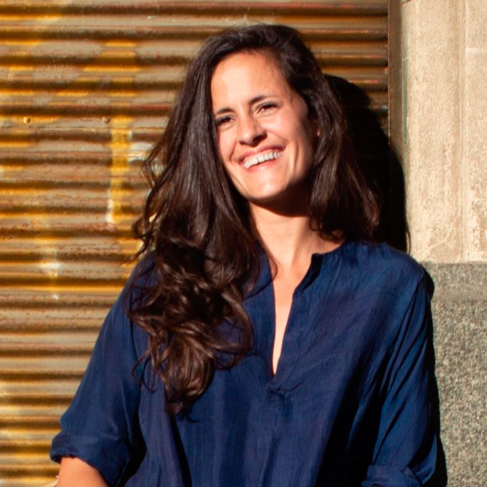
Aixa Figini
Singer and composer of Latin American music and tango
“This ‘voice gym’ is a technical training that I recommend to any singer or voice professional.”
@aixafigini
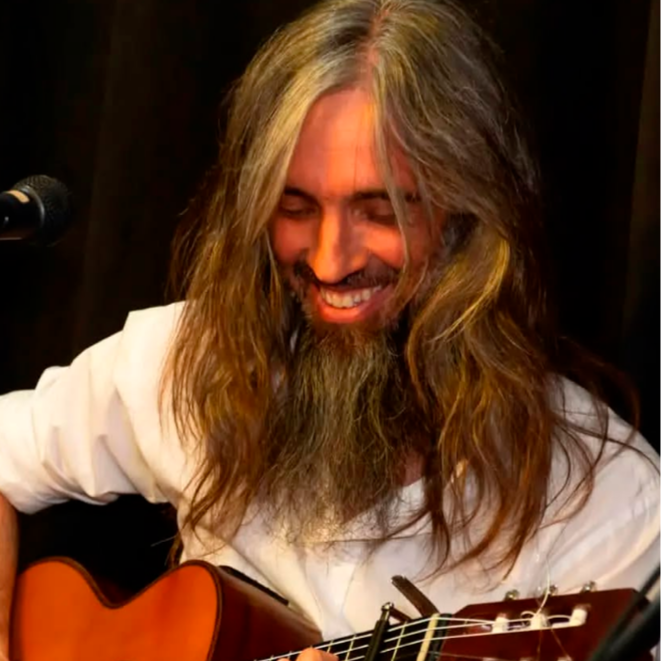
Hernán Leiva
Argentine folk guitarist and singer
Singer and composer of Latin American music and tango
“It is the most noticeable aspect (…), how quickly the voice recovers after vocal demands.”
@florbobadillaoliva
@runapurinqui
Malena Rossi
Argentine singer and actress
“…I feel that I have greater control over my voice. Even in challenging situations…”
@_malenarossi
“This ‘voice gym’ is a technical training that I recommend to any singer or voice professional.”
“It is the most noticeable aspect (…), how quickly the voice recovers after vocal demands.”
Argentine folk guitarist and singer
Hernán Leiva
Aixa Figini
@runapurinqui
@aixafigini
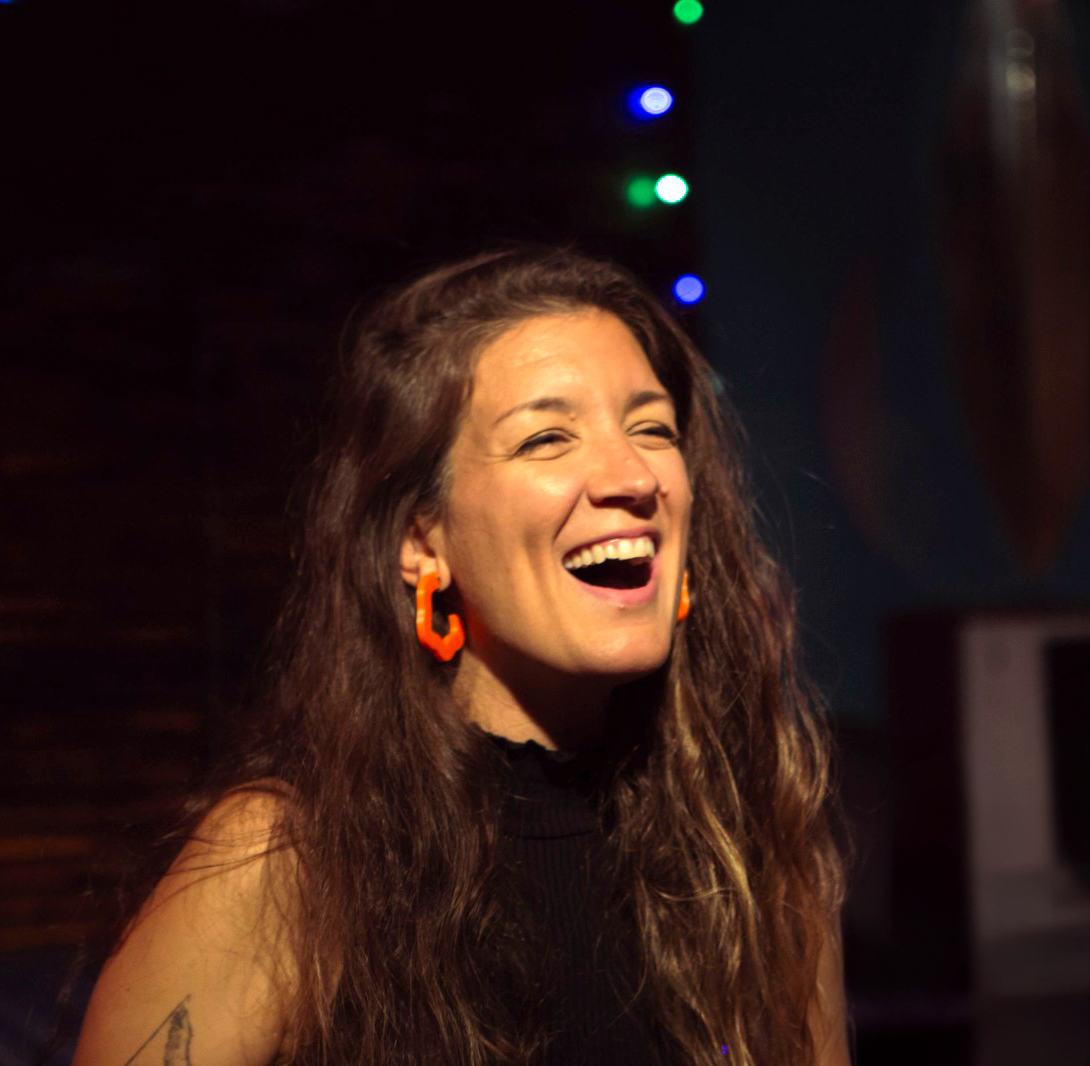
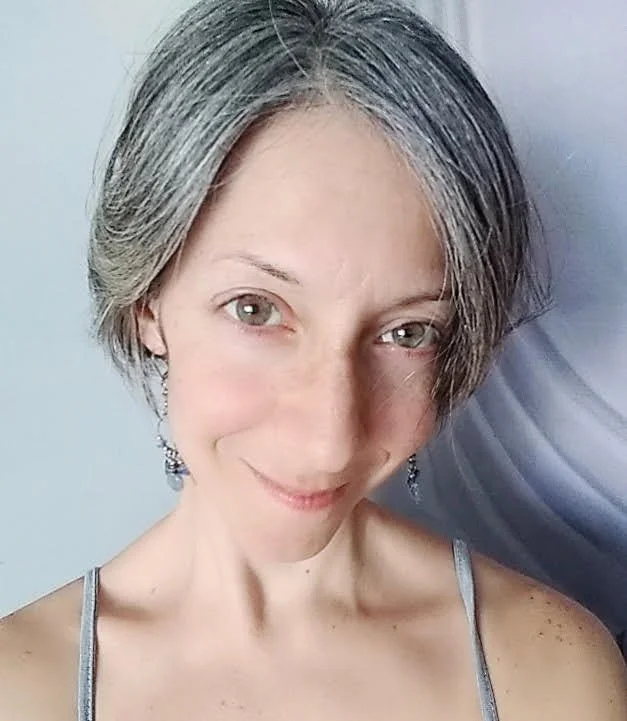
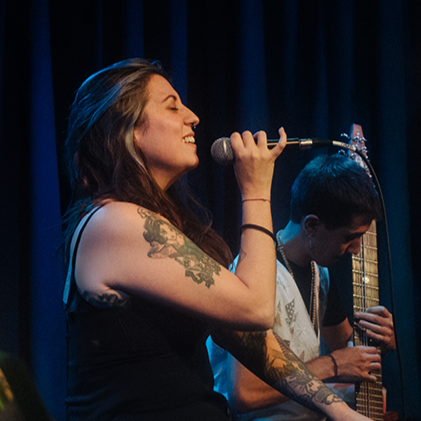
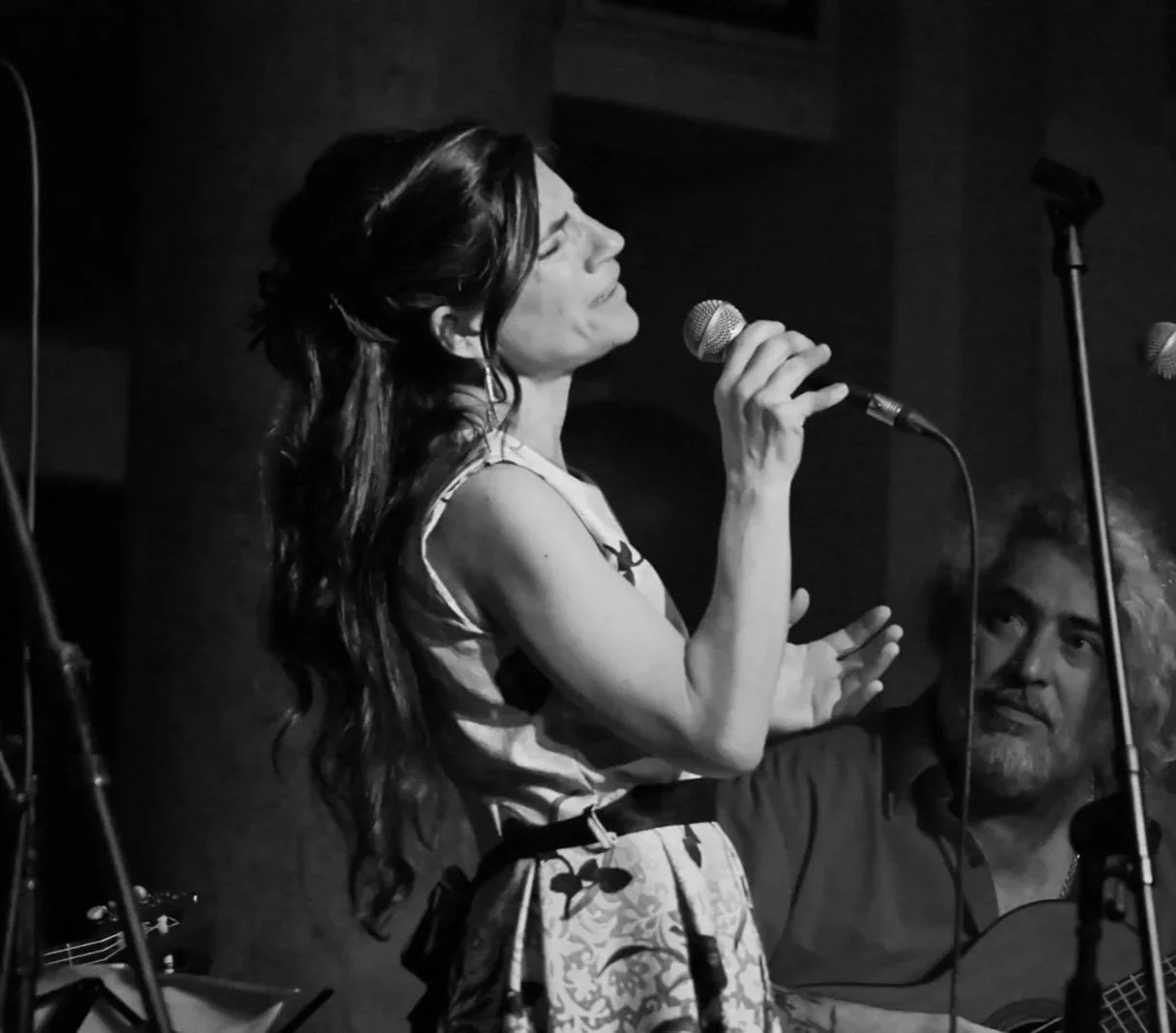
Teachers
Cantante, docente e investigadora vocal, creadora de la Técnica de la Voz Libre.
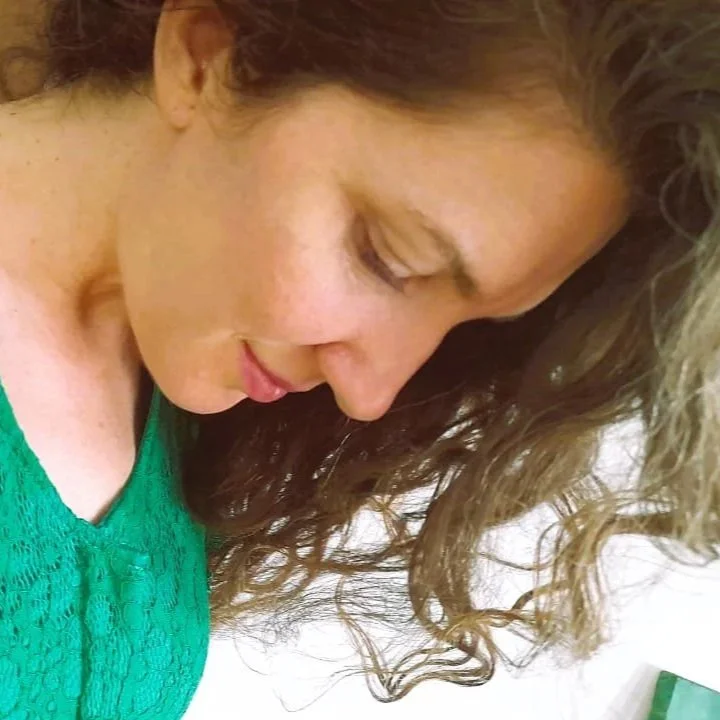
Soledad Mársico
Singer, teacher and vocal researcher, creator of The Free Voice Training.
Soledad Mársico
She trained as a professional musician, specializing in singing, at the Buenos Aires School of Music (EMBA), and from a very young age developed a deep connection with the voice, influenced by a family tradition rooted in Argentine folk music and tango.
Singer, teacher and vocal researcher, creator of the Free Voice Training.
Her vocal journey was marked early on by technical difficulties and episodes of dysphonia, an experience that led her to explore different approaches to vocal training, speech therapy treatments, and traditional technical methods. This process—far from linear—sparked a strong interest in understanding vocal mechanics in depth, not only through practice, but also through critical observation of their actual effects on the voice.
During her training, she discovered the ancient Italian singing technique—often referred to simply as “the technique” or “bel canto”—through teachers trained in the tradition developed in Argentina by Susana Rossi. Following this encounter, she began a sustained training process that not only allowed her to recover the functionality of her voice, but also to develop a new relationship with sound production—one that was freer, more efficient, and healthier.
Over the course of more than two decades, Soledad deepened this work by combining the bel canto tradition with the anatomical, physiological, and mechanical study of the voice, as well as with the observation of contemporary vocal demands across different musical genres and professional contexts. This journey gave rise, in 2022, to The Free Voice Training, an approach that integrates the heritage of the ancient Italian technique with contemporary explanatory tools aimed at the recovery and functional development of the voice.
She currently works as a teacher and teacher trainer, offering classes, workshops, and seminars for voice professionals interested in a deep, sensitive, and careful approach to vocal training. Her work extends both nationally and internationally, through in-person and online formats.
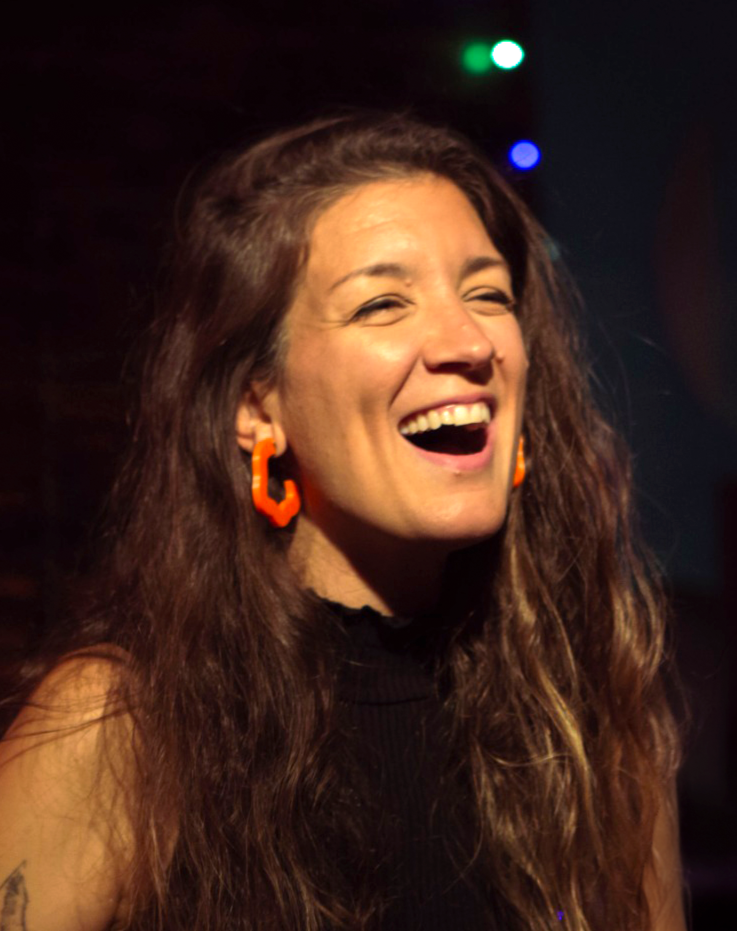
Born in Béccar, Buenos Aires Province, in January 1981. She trained in classical singing at the Juan José Castro Conservatory, and in musical theatre at the Julio Bocca School...
Carla Cecche
Born in Béccar, Buenos Aires Province, in January 1981. She trained in classical singing at the Juan José Castro Conservatory, and in musical theatre at the Julio Bocca School, as well as with private…
Born in Rosario, she began her musical studies at the age of 12, training in classical piano as well as in piano accompaniment for singers. She studied popular singing, with a focus on jazz, African-…

Cecilia Tagliarini

Julieta Natasha
Born in Rosario, she began her musical studies at the age of 12, training in classical piano as well as in piano accompaniment for singers. She studied popular singing with a focus on jazz, African-rooted music, …
Julieta Natasha Waidelich is a singer born in Buenos Aires in 1988. From an early age, she was drawn to the arts, particularly music, drawing, and painting. Music always held a central…
Victoria Franz is a holistic mentor specializing in vocal development and the creator of sound- and voice-based harmonization practices. She has more than fifteen years of experience exploring…

Victoria Franz
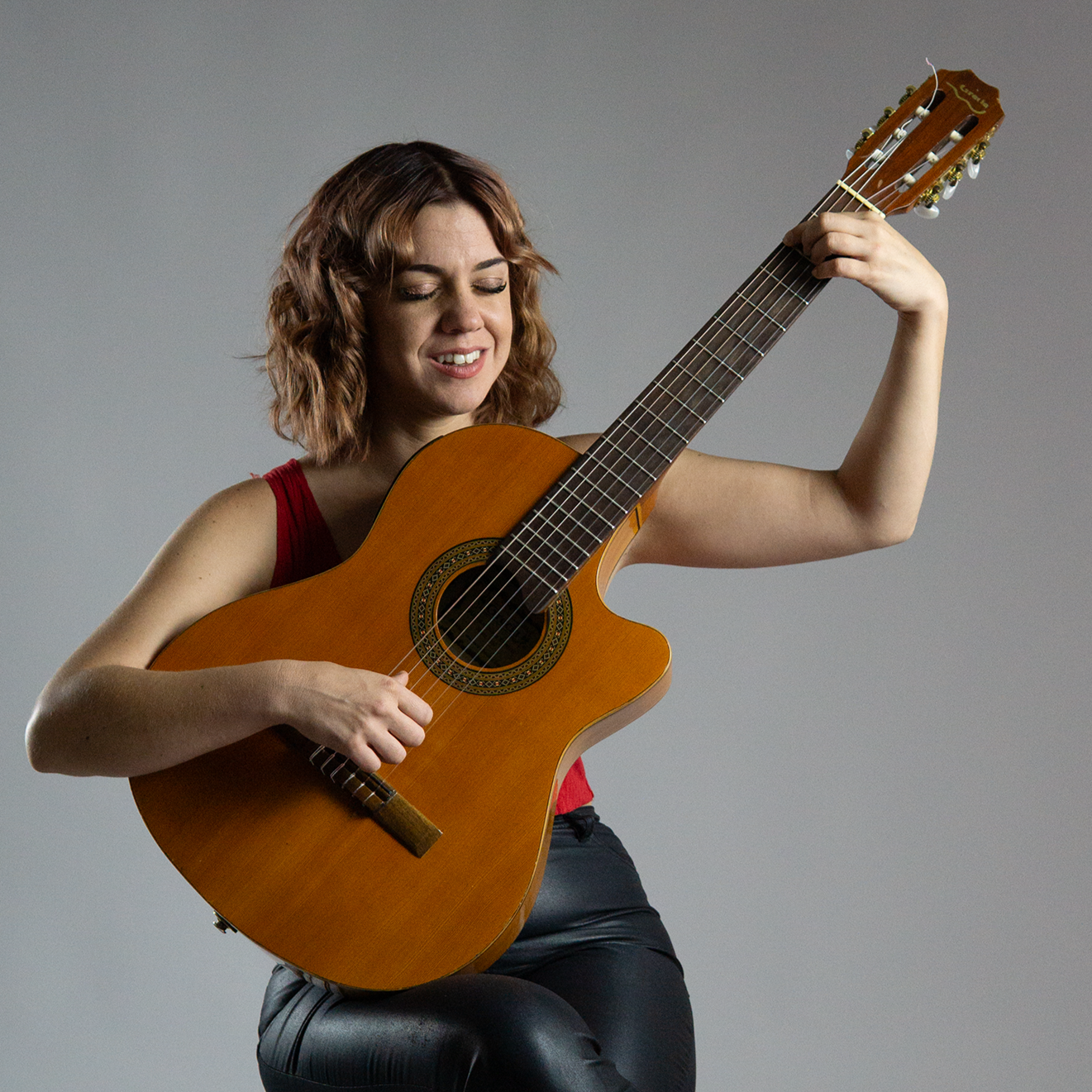
Irunáh Briozzo
Artist and Teacher. Born in Villa Ballester, Buenos Aires, and based in Madrid, Irunah’s vocal exploration brings tango and folk music into dialogue with a sensitive exploration of the…
Julieta Natasha Waidelich is a singer born in Buenos Aires in 1988. From an early age, she was drawn to the arts, particularly music, drawing, and painting. Music always held a central…
Born in Lanús, Buenos Aires Province, in 1982, Nadia has developed a career that combines rigorous technique with a deep sensitivity to stage expression. She has been teaching …

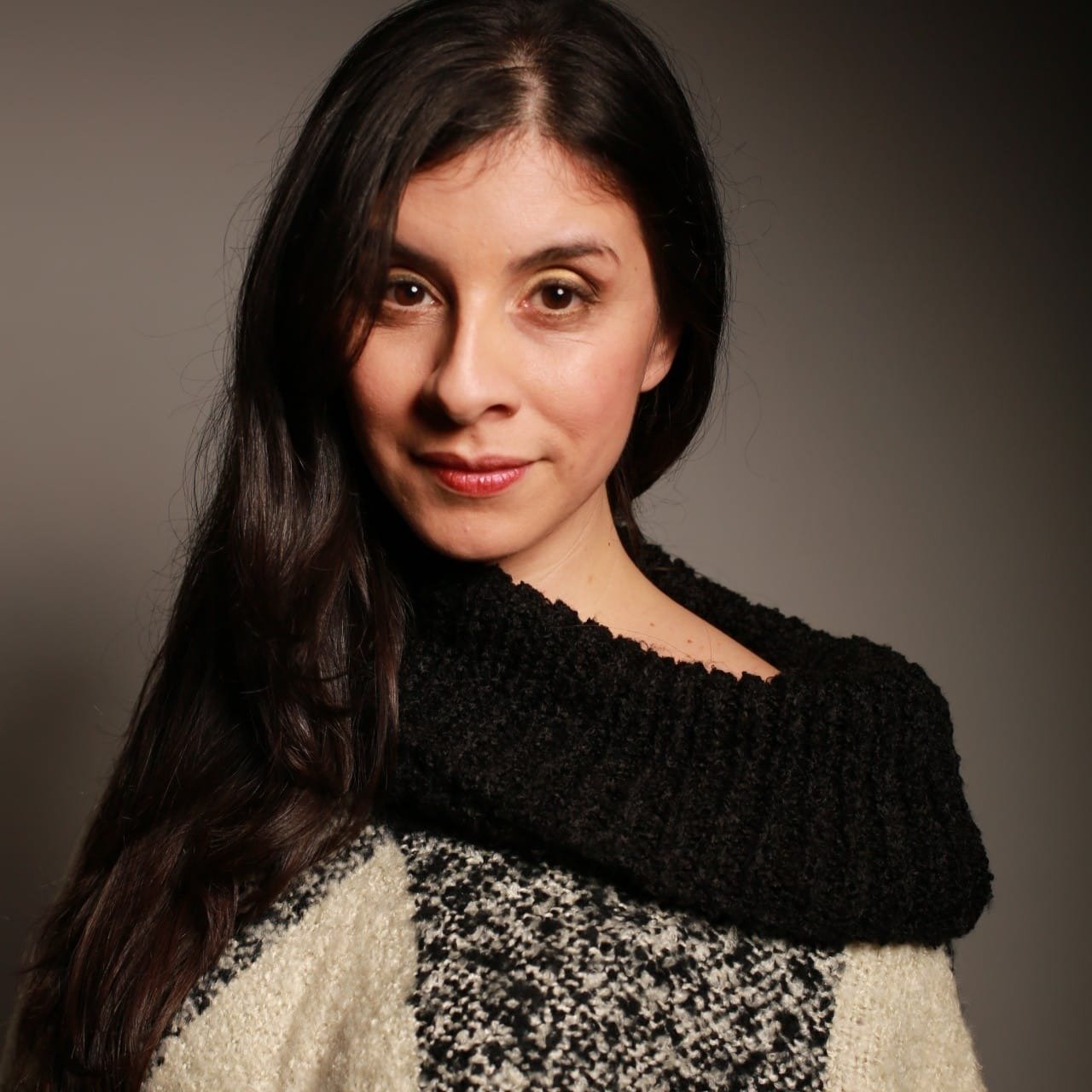
Nadia Villalba
Singer, singing teacher, and Music Therapist. Since 2017, she has accompanied vocal learning processes, bringing together tools from vocal technique, music therapy, and artistic…
Born in Lanús, Buenos Aires Province, in 1982, Nadia has developed a career that combines rigorous technique with a deep sensitivity to stage expression. She has been teaching …
Originally from Salta, Argentina, she currently lives between her hometown and the city of Buenos Aires. She has an extensive career as a solo singer, working both in popular…
Victoria Franz is a holistic mentor specializing in vocal development and the creator of sound- and voice-based harmonization practices. She has more than fifteen years of experience exploring the voice as…
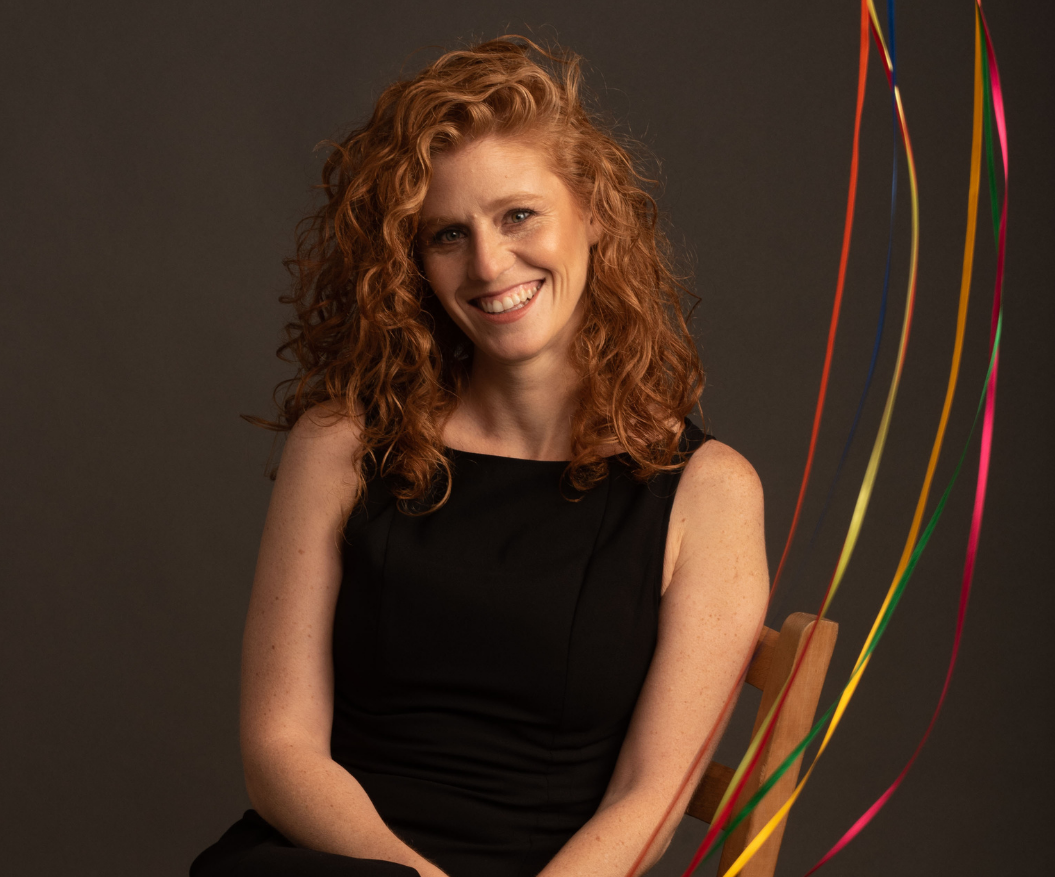
Nadia Szachniuk
Originally from Salta, Argentina, she currently lives between her hometown and the city of Buenos Aires. She has an extensive career as a solo singer, working both in popular…
Singer, singing teacher, and composer. Born in Villa María, Córdoba, where she currently lives. She studied for a Bachelor’s Degree in Musical Composition with a specialization in…
Born on January 7, 1991, in Buenos Aires Province, he is a singer, composer, and music producer. He currently works as an artist and teacher in Hurlingham, Buenos Aires, as well as online…

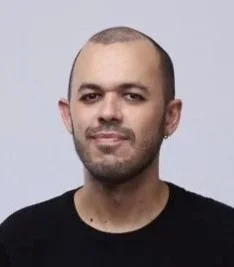
Eugenio Máscolo
Singer, singing teacher, and Music Therapist. Since 2017, she has accompanied vocal learning processes, bringing together tools from vocal technique, music therapy, and artistic exploration.

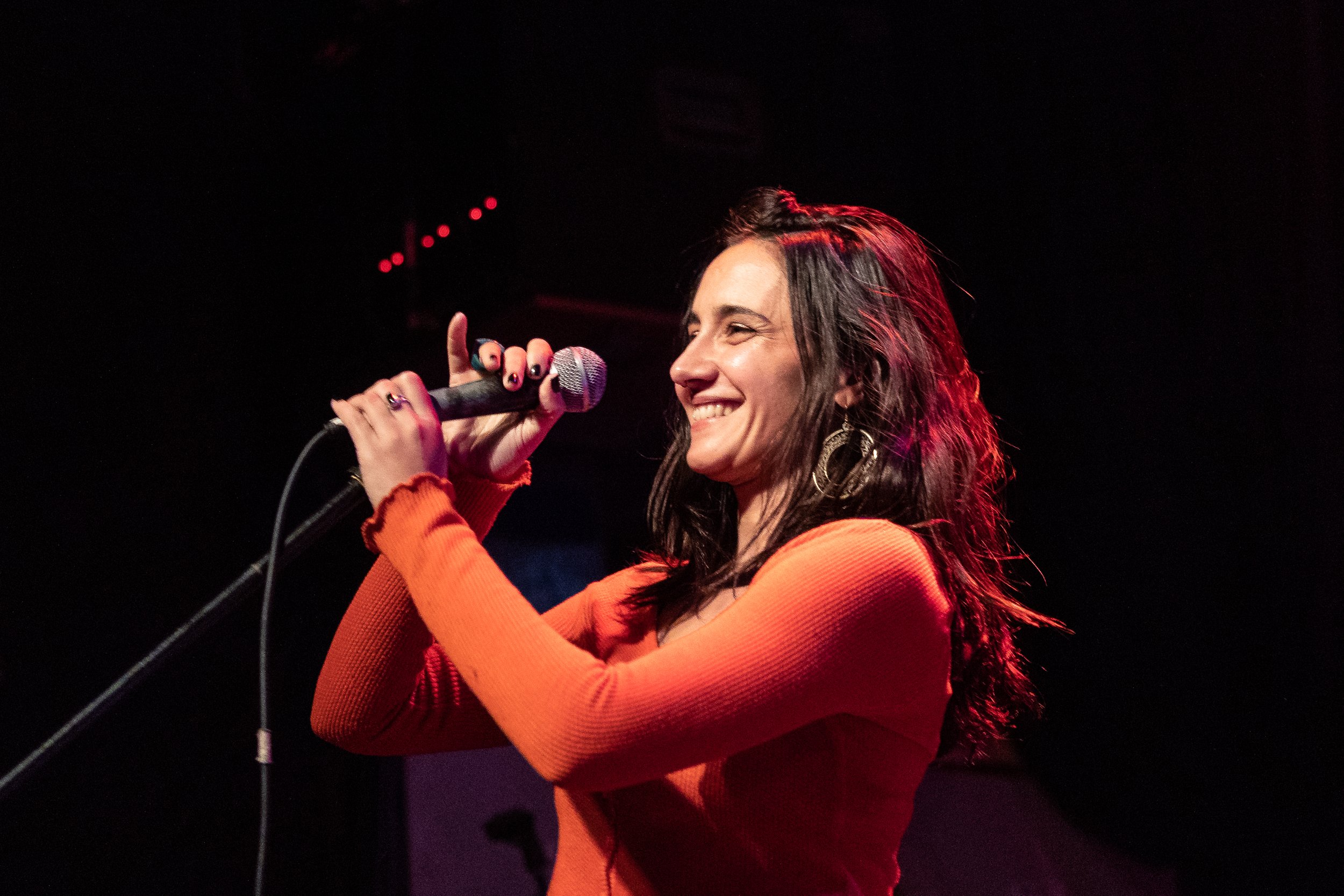
Micaela Tivelli
Singer, singing teacher, and composer. Born in Villa María, Córdoba, where she currently lives. She studied for a Bachelor’s Degree in Musical Composition with a specialization in Popular…

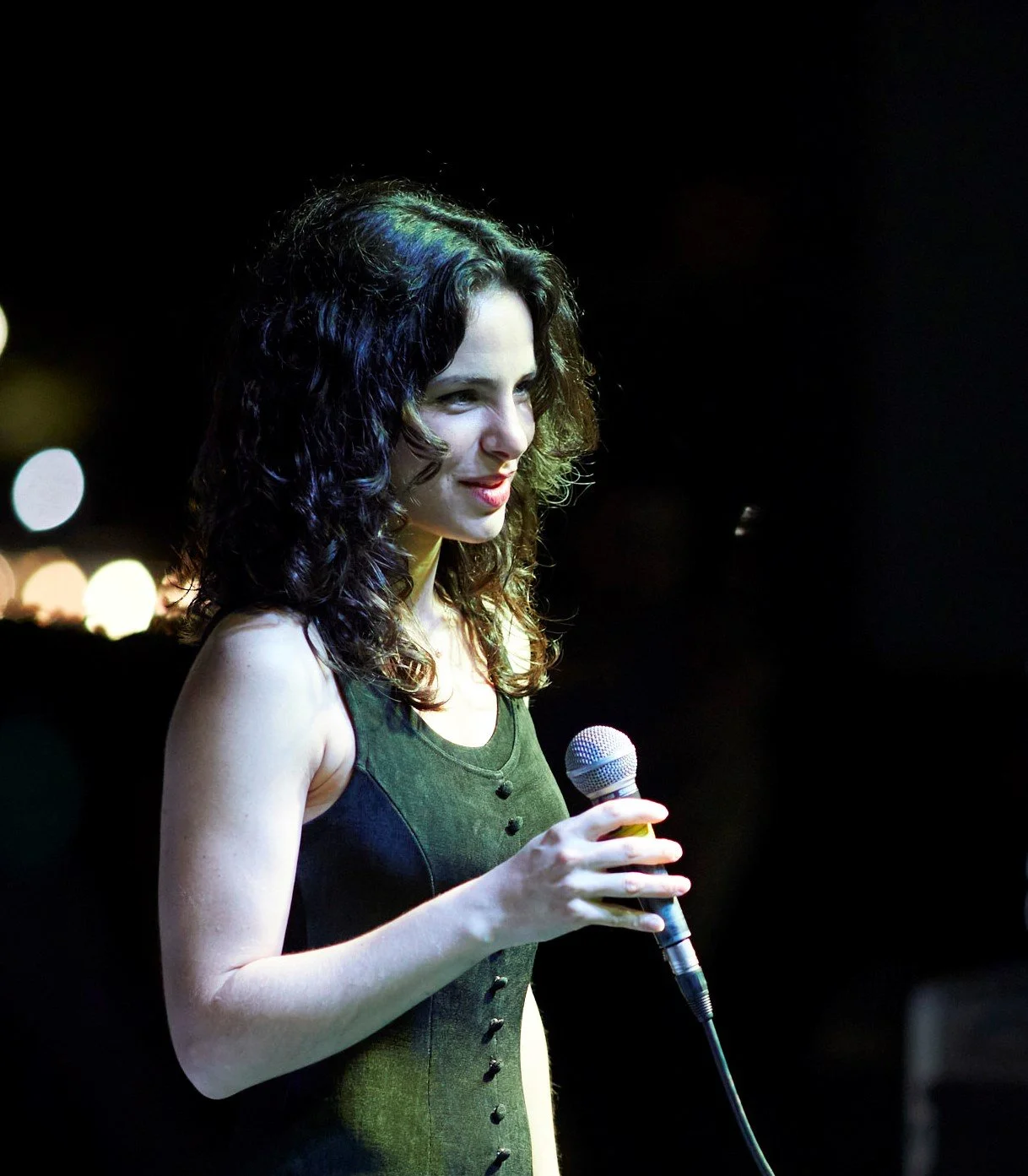
Popi Lauria
Born in Paraná, Argentina, she is a singer and vocal coach. Her vocal training began at an early age and continues to evolve through ongoing studies with various professionals and…

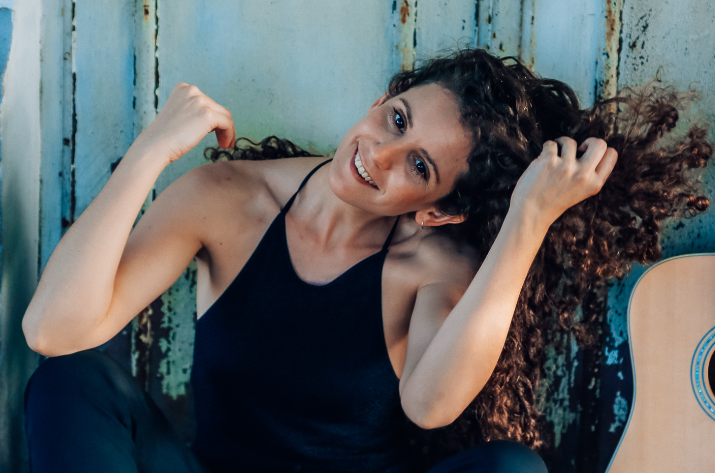
Electra Barbagelata
“Al estar sujetas a la rigurosa disciplina de una ley, las vibraciones o configuraciones de las cuerdas vocales no pueden autorregularse eficientemente, ni pueden contener un principio operativo capaz de cumplir los requisitos físicos o acústicos …”
La voz es un resultado, no un objeto de entrenamiento
“La ‘voz’ es un producto de la función y, excepto en la medida en que todo tono debe ajustarse a las leyes acústicas, no tiene una función mecánica propia. Es el resultado…”


Blog
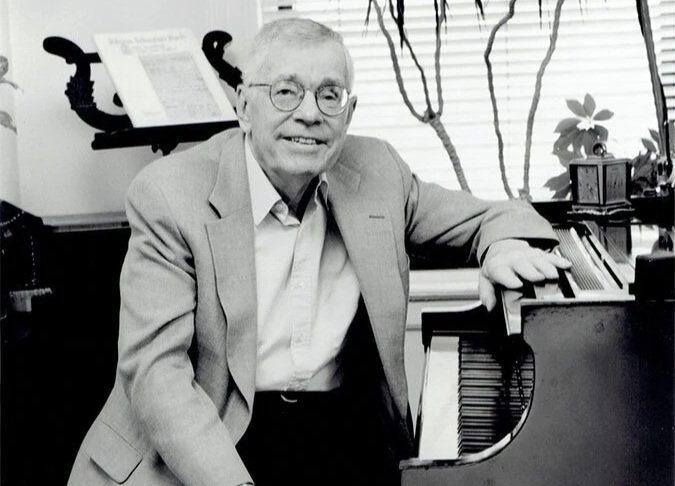
Por Miguel Cantilo
11/03/2026
EL FALSETE
El reconocido músico argentino nos comparte un relato sobre su experiencia con la antigua técnica italiana de canto que estudió con Susana Rossi y que continúa practicando en la…
23/02/2026
Por Soledad Mársico
LAS CUERDAS NO REGULAN, SON REGULADAS
Lo que se observa no es lo que regula
“Al estar sujetas a la rigurosa disciplina de una ley, las vibraciones o configuraciones de las cuerdas vocales no pueden…”
16/02/2026
DE ADENTRO HACIA AFUERA
Por Soledad Mársico
La voz es un resultado, no un objeto de entrenamiento
“La ‘voz’ es un producto de la función y, excepto en la medida en que todo tono debe ajustarse a las leyes acústicas, no tiene una…”
Contact Us
If you’d like to learn more about this training,
don’t hesitate to get in touch with us!
Email
tecnicadelavozlibre@gmail.com
Phone
(+54) 9 11 5043-1436